
Agentic AI & Multimodal Systems: What They Really Mean in Everyday Life
If you have been reading about AI lately, you have probably come across terms like Agentic AI and Multimodal Systems. At first glance, they sound like something only researchers or tech companies need to worry about. But the truth is, these ideas are slowly becoming part of everyday tools you already use.
Instead of thinking of this as a technical topic, it helps to look at it from a practical angle. What can these systems actually do, and why are people paying so much attention to them now? This article walks through that in a straightforward way, without trying to make it sound more complicated than it is.
What Agentic AI Actually Feels Like
Most people are used to AI that responds and stops there. You ask a question, it answers. You give a command, it follows it. That is useful, but also limited.
Agentic AI is different because it keeps going after the first step. It does not just respond, it tries to complete a goal. You can think of it more like a helper than a tool.
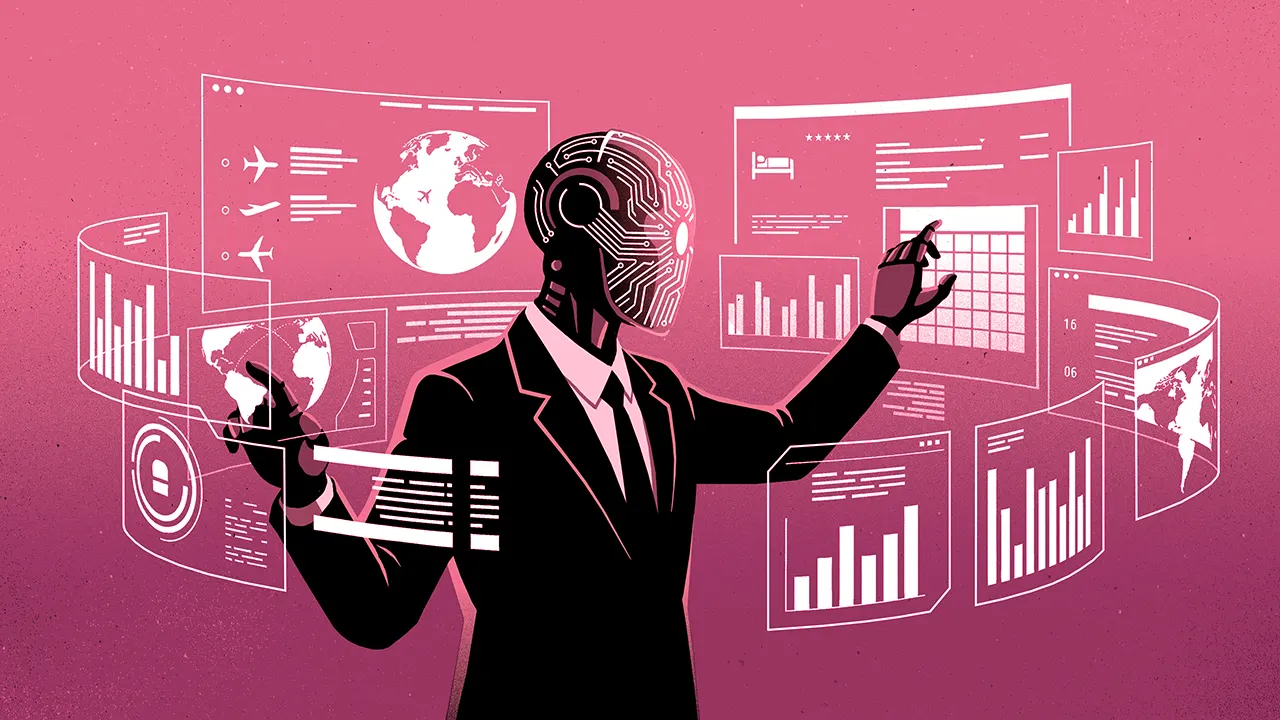
For example, if you ask a regular AI to help you plan a trip, it might give suggestions. An agentic system would go further. It could look up flights, compare options, check your calendar, and even prepare a rough plan for you. It is not perfect, but it shows the direction things are moving in. The key shift here is simple. AI is moving from answering to doing.
Understanding Multimodal Systems Without the Buzzwords
Now let’s talk about multimodal systems. This sounds technical, but the idea is actually very natural. Humans do not rely on just one type of input. You read text, look at images, listen to audio, and combine all of that to understand what is happening around you. Multimodal AI tries to do something similar.
Instead of only processing text, these systems can handle images, voice, video, and sometimes even real-time data from sensors. This makes them more flexible and, in many cases, more useful.
A simple example would be uploading a photo and asking the AI to explain it. Or speaking a question instead of typing it. Or combining both. These small changes make interactions feel more natural, even if the technology behind them is quite complex.
Why These Two Ideas Are Being Talked About Together
On their own, both ideas are useful. But when you combine Agentic AI and Multimodal Systems, you get something much more capable. One gives the system the ability to act. The other gives it a better understanding of the situation.
Imagine a smart assistant that can see a live camera feed, hear sounds in the environment, read your schedule, and then decide what to do. Maybe it alerts you, maybe it ignores the situation, maybe it takes a small action on its own. This combination is what people are really excited about. It is not just smarter AI, it is more aware and more active.
Where You Might Already Be Seeing This
Even if you have not noticed it, parts of this are already showing up in everyday tools.
In customer support, some systems can now understand both what you type and what you say, and respond accordingly. In healthcare, AI tools are being used to look at medical images while also considering patient records. In online shopping, you can search using images instead of just text.
None of these are perfect examples of full Agentic AI & Multimodal Systems, but they are steps in that direction. What is interesting is not just what they can do now, but how quickly they are improving.
The Practical Benefits, Without the Hype
A lot of discussions around AI tend to exaggerate things. So it is worth looking at the actual, practical benefits.
One clear advantage is better decision-making. When a system can consider different types of input, it is less likely to miss important context. That does not mean it is always right, but it can be more informed.
Another benefit is reduced effort. Tasks that used to require multiple steps can now be handled in a more streamlined way. This is especially useful in business settings where time matters.
There is also the interaction side. Being able to speak, type, or upload something instead of sticking to one format makes the experience smoother. It feels less like using software and more like interacting with something that understands you.
The Reality Check Most People Skip
It is easy to get carried away with what these systems can do, but there are still real limitations.
They can make mistakes. Sometimes they misunderstand inputs, especially when dealing with multiple data types at once. In agentic systems, a small mistake can lead to a chain of wrong actions.
There are also concerns about data privacy. When systems handle text, images, audio, and more, the amount of sensitive data increases.
And then there is the issue of control. If a system can take actions on its own, you need clear boundaries. Otherwise, things can go wrong in ways that are hard to predict. These are not reasons to avoid the technology, but they are reasons to use it carefully.
How Businesses Are Actually Using This
Not every company is building advanced AI systems from scratch. Most are taking smaller, practical steps.
Some start by improving customer support with systems that can handle both voice and text. Others use AI to process documents and images together, which helps in fields like finance and insurance.
A common pattern is starting with one clear use case. Instead of trying to automate everything, they focus on a specific problem where AI can save time or reduce errors.
Over time, these systems become more capable. That is how adoption usually happens. Slowly, then all at once.
What This Means for Individuals
You do not need to be a developer to benefit from these changes.
If anything, it helps to stay curious and open to experimenting. Try tools that allow voice input, image uploads, or automation features. Notice where they help and where they fall short.
At the same time, it is important to stay critical. Just because a system sounds confident does not mean it is correct. Verifying important information is still your responsibility.
The people who benefit the most from these tools are usually the ones who understand both their strengths and their limits.
Where Things Are Heading
Looking ahead, it is clear that Agentic AI & Multimodal Systems will become more common. Systems will handle more complex tasks, and interactions will feel more natural.
You will likely see more tools that act on your behalf, not just respond to you. You will also see systems that combine different types of data more seamlessly.
At the same time, there will be more discussions about ethics, control, and responsibility. As these systems become more capable, those questions become harder to ignore.
Conclusion
At its core, the idea behind Agentic AI & Multimodal Systems is not complicated. It is about making AI more useful by helping it understand more and do more.
What matters is not the terminology, but how it fits into real life. These systems are not replacing everything overnight, but they are changing how tasks get done.
If you keep your expectations realistic and focus on practical use, you can get real value out of them. And that is what makes this shift worth paying attention to.
Also Read: Artificial Intelligence Basics for New Business Owners