How to Become a Full Stack Developer in 2026: The Ultimate Roadmap
Tech keeps moving fast. You blink and there’s a new framework, a new tool, or some AI feature everyone suddenly talks about.
If you’re trying to figure out how to become a Full Stack Developer in 2026, you’re not late. You’re actually in a good spot. Demand is still strong. Companies still need people who can build full apps end to end.
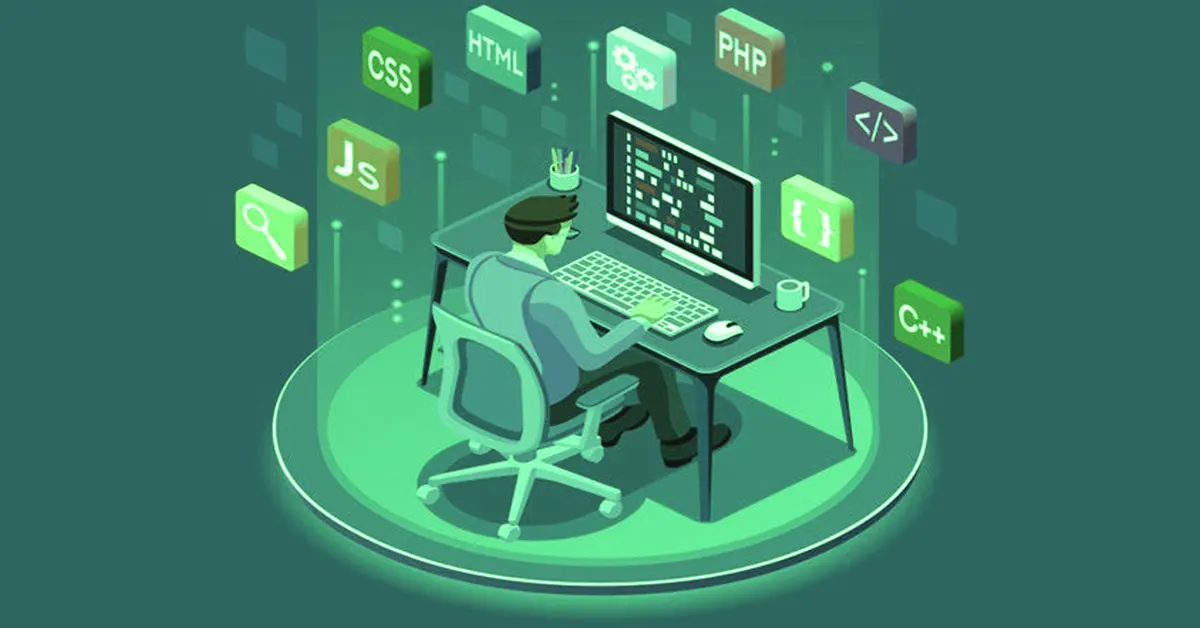
Full stack means you handle front-end and back-end. You don’t stay stuck in one corner of development.
What Is a Full Stack Developer?
A Full Stack Developer works on both sides of a web app.
- Front-end: That’s what users see.
- Back-end: That’s the logic, server, database stuff.
You deal with things like:
- Web pages and UI
- APIs
- Databases
- Server logic
- Authentication
- Deployment
Most companies like full stack devs because one person can handle a lot of work.
Why Full Stack Development Is Booming in 2026
Companies want speed. They don’t want 5 people for one feature if 1 person can do it.
Here’s what’s driving demand:
- AI Integration Everywhere: Apps now include AI features like chat, search, recommendations. If you know how to plug AI APIs into apps, you stand out fast.
- Remote Work Is Still Normal: You don’t need to move cities. You can work for companies in the US, Europe, or anywhere if your skills are solid.
- Startups Want Multi Skill Developers: Startups don’t hire big teams at the start. They want one developer who can handle full products.
- Higher Salary Potential: One skill set across the stack usually pays better than single layer roles.
Essential Skills You Need to Become a Full Stack Developer in 2026
You don’t need everything at once. Start small and build up.
1. Learn Front-End Development
This is what users interact with.
Start with:
- HTML: Structure of the page. Nothing fancy.
- CSS: Makes things look decent. Layout, spacing, colors.
- JavaScript: This makes pages interactive. Without JavaScript, most modern apps won’t work.
Front-End Frameworks to Learn in 2026
Pick one. Don’t jump around.
- React
- Next.js
- Vue
- Svelte
React still gets the most job listings. Next.js shows up in many production apps.
2. Understand Back-End Development
This is where your app actually runs.
You handle:
- Data
- Logic
- APIs
- Auth
Popular Back-End Languages in 2026
Pick one and stick to it.
- JavaScript Node.js is common because you stay in one language.
- Python is big for AI and automation.
- Java shows up in enterprise systems.
- Go is used for performance-heavy systems.
3. Learn Databases
You store everything here.
- SQL databases: PostgreSQL, MySQL
- NoSQL databases: MongoDB, Firebase
You should know when to use which one.
4. Understand APIs
APIs connect systems.
You’ll deal with:
- REST APIs
- GraphQL
- Third-party APIs
- AI APIs
Most real-world apps depend on APIs.
5. Learn Version Control
Git is non-negotiable.
You use it to:
- Track code changes
- Fix mistakes
- Work in teams
GitHub is where your portfolio lives.
6. Cloud and Deployment Skills
Your app is useless if it never goes online.
Learn basics of:
- AWS
- Vercel
- Netlify
- Docker
You don’t need an expert level at first. Just know the deployment flow.
Also Read: Key Technologies in the Future of Android Development
How to Become a Full Stack Developer in 2026 Without a Computer Science Degree
You don’t need a degree. Companies care about what you can build.
Focus on:
- Projects
- GitHub
- Real apps
- Problem solving
If your app works, nobody asks about your degree much.
Best Learning Path for Beginners
Keep it structured. Don’t jump topics.
Step 1: Learn Basics
Start here:
- HTML
- CSS
- JavaScript
Build small pages. Keep it simple.
Step 2: Learn a Front-End Framework
Pick React.
Build things like:
- To-do apps
- Simple dashboards
- Landing pages
Step 3: Learn Back-End Development
Pick Node.js or Python.
Build:
- Login system
- Simple API
- Blog backend
Step 4: Learn Databases
Focus on:
- CRUD operations
- Basic queries
- Data structure
Step 5: Build Full Stack Projects
This is where things start to click.
Try:
- Social media clone
- Expense tracker
- Blog platform
- Chat app
Don’t copy tutorials. Change features.
The Role of AI in Full Stack Development
AI is already in dev workflows.
You will use it for:
- Debugging code
- Writing boilerplate
- Testing
- Documentation
If you ignore AI tools, you slow yourself down.
Common Mistakes Beginners Make
You’ll probably hit these.
- Trying Too Many Tools: Stick to one stack first. Don’t jump every week.
- Watching Too Much Tutorial Content: If you don’t build, you don’t learn.
- Skipping Basics: Frameworks break if you don’t understand fundamentals.
- Not Practicing Problem Solving: Coding is problem solving, not memorizing syntax.
Best Full Stack Tech Stacks in 2026
Pick one stack and go deep.
MERN Stack
MongoDB
Express
React
Node
Very common for web apps.
PERN Stack
PostgreSQL
Express
React
Node
More structured for bigger systems.
Python + React Stack
Good for AI based apps.
JAMstack
Fast websites. Used a lot for content apps.
How Long Does It Take to Become a Full Stack Developer?
Depends on your effort.
- Full time study: 6 to 12 months
- Part time: 1 to 2 years
- Casual learning: longer than 2 years
Daily practice matters more than speed.
How to Build a Strong Developer Portfolio
Your portfolio shows what you can do.
Include:
- Real Projects: Not copied ones. Build your own versions.
- GitHub Work: Keep code clean and readable.
- Live Projects: Deploy them. Don’t just keep them local.
- Problem Solving Examples: Show bugs you fixed or features you built.
Freelancing vs Full Time Jobs
Both paths work.
Freelancing
Pros:
- Flexible work
- Income can scale
Cons:
- No stable pay
- Finding clients takes time
Full Time Job
Pros:
- Stable income
- Team support
Cons:
- Fixed schedule
- Some people do both later.
Full Stack Developer Salary in 2026
Rough numbers:
- Beginner: 60k to 90k USD
- Mid level: 100k to 140k USD
- Senior: 150k+ USD
Skills like AI and cloud push salaries higher.
Soft Skills Matter More Than You Think
You also need:
- Communication
- Time management
- Basic teamwork
- Clear thinking
If you can explain your code, you already stand out.
Is Full Stack Development Still Worth It in 2026?
Yes. Demand is still strong. Companies want people who understand full systems.
AI changes tools, not the need for developers. If anything, developers who adapt fast win more jobs.
Conclusion
If you’re learning how to become a Full Stack Developer in 2026, don’t overthink it.
- Start small.
- Build things.
- Break things.
- Fix them.
That’s how you actually learn. You don’t need perfect timing. You just need consistency and real projects in your hands. Keep going, even when things feel slow.
Also Read: Full Stack Development Guide: Skills, Tools, and Practical Learning Path