Spatial Computing & AR/VR: How Digital and Physical Worlds Are Blending
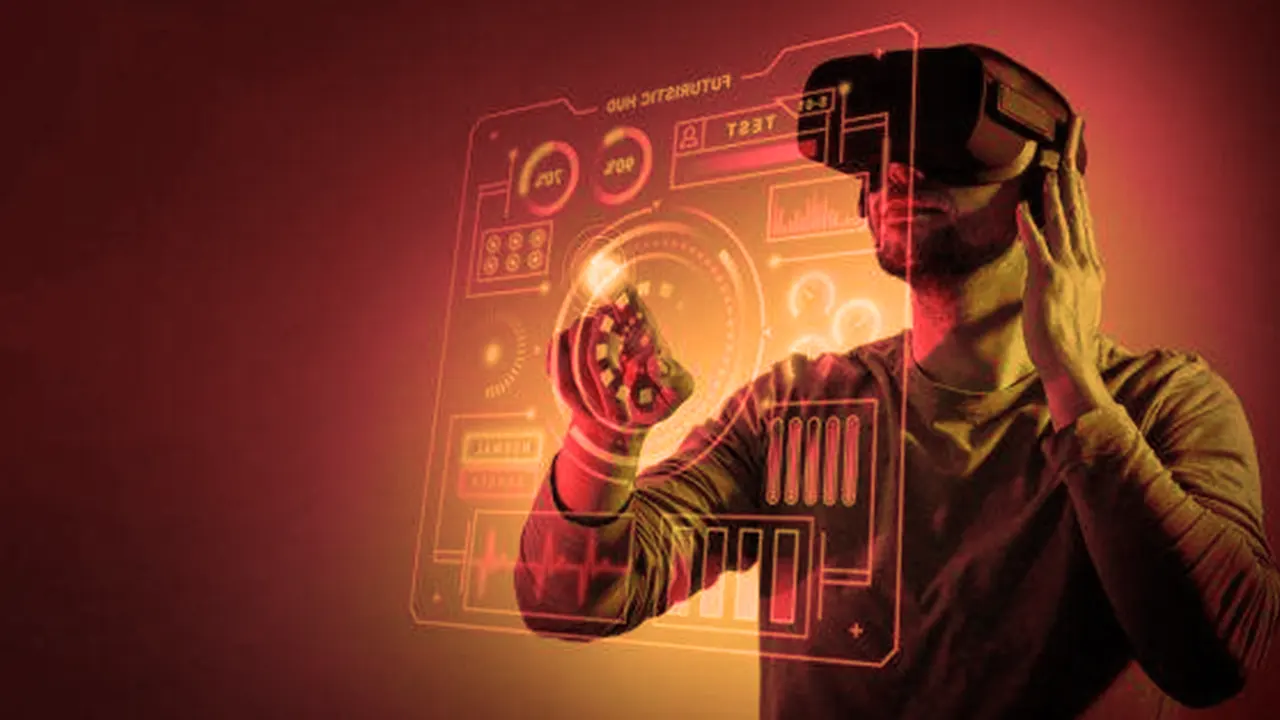
A few years ago, AR and VR felt like something limited to gaming or tech demos. Now, things are changing. You are starting to see these technologies show up in workspaces, education, shopping, and even daily communication.
This shift is largely driven by a broader idea called Spatial Computing & AR/VR. It is not just about wearing a headset or seeing virtual objects. It is about how computers understand space and interact with the real world around you.
If that sounds abstract, do not worry. This article explains it in a way that connects directly to real use cases. No unnecessary buzzwords, just what you need to understand where things are going and how it affects you.
What Is Spatial Computing in Simple Terms
Spatial computing is about how technology understands and interacts with physical space.
Instead of working only through screens, like your phone or laptop, spatial systems are aware of your surroundings. They can map rooms, detect objects, and place digital elements into real environments.
Think of it this way. Traditional computing happens on a flat screen. Spatial computing happens around you.
You are no longer just looking at information. You are interacting with it in your physical space.
Understanding AR and VR Without the Confusion
To understand Spatial Computing & AR/VR, it helps to separate the two main technologies involved.
Augmented Reality Feels Like an Overlay
Augmented Reality, or AR, adds digital elements to the real world. You are still aware of your surroundings, but extra information is layered on top.
A simple example is using your phone camera to see how a piece of furniture would look in your room. The room is real, the furniture is digital.
Virtual Reality Is Fully Immersive
Virtual Reality, or VR, replaces your real environment completely. When you wear a VR headset, you are placed inside a fully digital space.
This could be a game, a training simulation, or even a virtual office.
Where It Gets Interesting
Spatial computing brings these ideas together and makes them more interactive. It is not just about seeing digital objects. It is about interacting with them naturally, as if they exist in your space.
How Spatial Computing Actually Works
You do not need to understand every technical detail, but a basic idea helps.
Spatial systems rely on a mix of technologies:
- Sensors that track movement and position
- Cameras that map the environment
- Software that builds a 3D understanding of space
- AI that interprets what is happening
All of this works together so that digital objects behave in a realistic way. For example, if you place a virtual object on a table, it stays there and does not float randomly.
That small detail makes the experience feel believable.
Why Spatial Computing & AR/VR Are Gaining Attention Now
These technologies are not new. So why are they suddenly getting so much attention?
- Hardware Is Finally Catching Up: Devices are becoming more powerful and more comfortable to use. Earlier versions were bulky and limited. Now, they are getting closer to everyday usability.
- Better Software Experiences: Developers are creating more practical applications, not just demos. The focus is shifting from novelty to usefulness.
- Real Business Use Cases: Companies are finding ways to use spatial computing to save time, reduce costs, and improve workflows.
This combination is what is pushing Spatial Computing & AR/VR into the mainstream.
Real-World Uses That Actually Make Sense
It is easy to imagine futuristic scenarios, but what matters is what works today.
Training and Simulation
VR is widely used for training in fields like healthcare, aviation, and manufacturing. Instead of reading instructions, people can practice in a controlled environment. This reduces risk and improves learning.
Remote Collaboration
Teams can meet in virtual spaces instead of traditional video calls. It feels more interactive, especially for design or planning work.
Retail and Shopping
AR allows customers to visualize products before buying. You can see how clothes might look or how furniture fits in your space. This reduces uncertainty and improves buying decisions.
Education
Students can explore concepts in a more visual and interactive way. For example, learning about the solar system becomes more engaging when you can see and interact with it in 3D.
Healthcare
Doctors can use AR to visualize patient data during procedures. VR is also used for therapy and rehabilitation. These are practical examples of how Spatial Computing & AR/VR are already being used beyond entertainment.
What Makes Spatial Computing Different From Traditional Tech
The biggest difference is how you interact with it.
With traditional devices, you use keyboards, touchscreens, or a mouse. With spatial computing, interaction feels more natural.
You can:
- Use hand gestures
- Move around physically
- Speak commands
- Look at objects to interact
This changes the experience completely. It feels less like using a device and more like interacting with your environment.
Challenges That Still Exist
Even though the progress is impressive, there are still limitations.
- Cost and Accessibility: High-quality devices can still be expensive. This limits widespread adoption.
- Comfort and Usability: Wearing a headset for long periods is not ideal for everyone. Improvements are happening, but there is still work to do.
- Content Limitations: The technology is advancing faster than the content available. More useful applications are needed.
- Privacy Concerns: Devices that map your environment and track movement raise valid privacy questions. Understanding these challenges helps keep expectations realistic.
How Businesses Can Start Using Spatial Computing
You do not need a massive budget to explore this space. Start by identifying areas where visualization or interaction could improve outcomes.
For example, if your business involves design, training, or customer experience, there may already be tools available that use AR or VR.
Instead of trying to adopt everything at once, focus on one use case. Test it, learn from it, and expand gradually. That is how most successful implementations begin.
What This Means for Individuals
You do not have to be in tech to benefit from Spatial Computing & AR/VR. As these tools become more common, they will change how you learn, work, and interact with digital content.
You might attend meetings in virtual spaces, try products before buying them, or learn skills through immersive simulations.
At the same time, it is important to stay practical. Not every use case will be useful for you. Focus on what actually improves your experience.
The Future of Spatial Computing & AR/VR
Looking ahead, the direction is clear, devices will become lighter and more comfortable. Interactions will feel more natural. Applications will become more useful. You will likely see a shift where screens become less central, and spatial interfaces become more common.
Instead of switching between apps, you may interact with digital elements directly in your environment. This does not mean traditional devices will disappear. But the way you interact with technology will continue to evolve.
Conclusion
Spatial Computing & AR/VR are not just about futuristic gadgets. They represent a shift in how we interact with digital information. The real value comes from making technology feel more natural and more integrated into everyday life.
Right now, we are in a transition phase. The technology is improving, use cases are expanding, and adoption is slowly growing. If you approach it with curiosity and a practical mindset, you will start to see where it fits into your world. And that is where it becomes useful.
Also Read: Tech Ideas That Made The Web Move Quicker